Extended database · 2000+ brands
Search 2000+ Brands in One Place
Use our extended checker to search and verify batch codes across 2000+ beauty, cosmetic and perfume brands without leaving this site.
Popular Brands We Check
Where to Find Your Batch Code
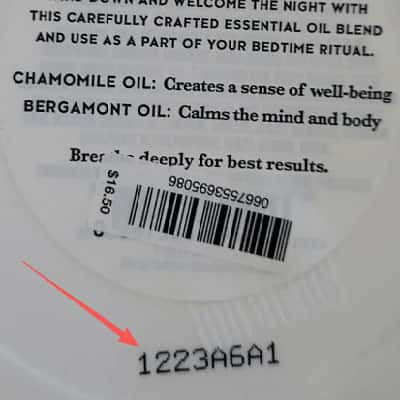
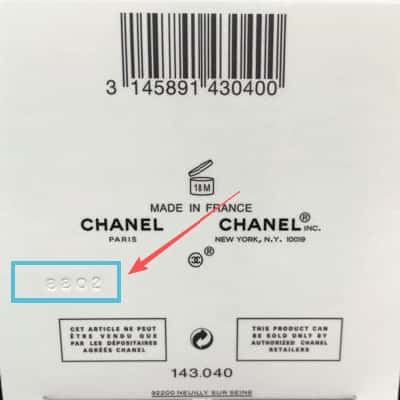
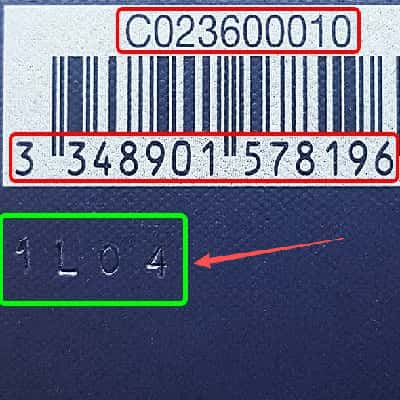
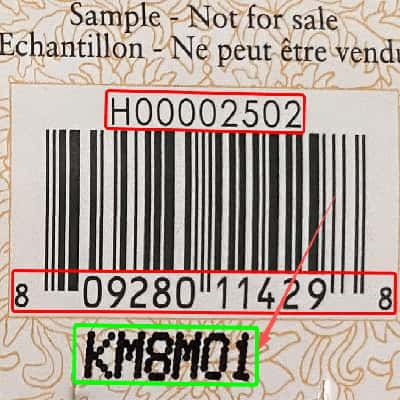
Batch codes live in a handful of predictable places on beauty packaging:
- On the bottom of perfume bottles and cosmetic containers
- Near the barcode on the outer carton
- On the back or underside of makeup compacts
- On skincare jars and bottles, often embossed or printed
Look for a short code of three to eight characters mixing letters and numbers.
What is a Batch Code?
A batch code — also called a lot number, batch number or production code — is the unique identifier printed on cosmetic and perfume products. It reveals when and where the product was manufactured.
Decoding it lets you:
- Verify freshness: know exactly when the product was made
- Check expiration: confirm the product is still safe to use
- Confirm authenticity: spot potential counterfeit products
- Shop smarter: avoid buying expired or ageing stock
Frequently Asked Questions
What is a batch code and why does it matter?
A batch code is the unique identifier a manufacturer assigns to one production run of a cosmetic or perfume. Decoding it tells you when the product was made, how much shelf life remains, and whether the code on the box is even plausible for that brand.
How do I find the batch code on my product?
Look on the base of the bottle or jar, near the barcode on the carton, or on the back of a compact. For fragrances the code usually appears on both the bottle and the box — they should match. The code is typically three to eight characters mixing letters and numbers.
How accurate is the batch code decoder?
Each brand is decoded with its own documented algorithm rather than a generic rule, so results reflect how that manufacturer actually encodes dates. Treat the output as a well-informed estimate: makers occasionally revise their coding schemes, and for a binding answer contact the brand directly.
Can a batch code prove my product is authentic?
No — counterfeiters copy printed codes, so a valid decode is a good sign but not proof. Combine it with packaging quality, matching codes on bottle and box, an authorised retailer, and a scent that matches the original.
What is the shelf life of cosmetics and perfumes?
Most unopened cosmetics stay good for two to three years from manufacture, and perfumes three to five years when kept away from heat and light. Once opened, the PAO symbol on the packaging — usually six to twenty-four months — takes over.
Why can't my batch code be decoded?
Most often the brand uses a proprietary scheme that is not publicly documented, the manufacturer changed format recently, the code is simply mistyped, or the brand is not in the database yet. Re-read the code from the packaging and, if it still fails, ask the brand's customer service to confirm.
Is this batch code checker free?
Yes, entirely free with no sign-up and no subscription. Decoding happens in your browser, and we do not store or sell the codes you look up.