Free · No sign-up · 200+ brands
Decode Your Beauty Products
Enter the batch code printed on your cosmetics, perfume or skincare and get an instant manufacturing date, expiry date and freshness verdict.
Brand-specific decoders
Each brand is decoded with its own documented rule, not a generic guess.
Private by design
Decoding runs in your browser. We do not store or sell the codes you look up.
Instant results
Manufacturing date, expiry date and shelf life, calculated as you type.
Popular Brands We Check
Where to Find Your Batch Code
Batch codes live in a handful of predictable places on beauty packaging:
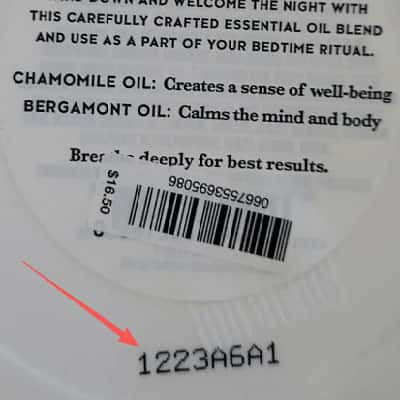
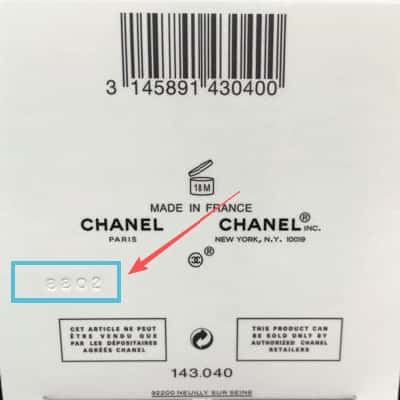
- On the bottom of perfume bottles and cosmetic containers
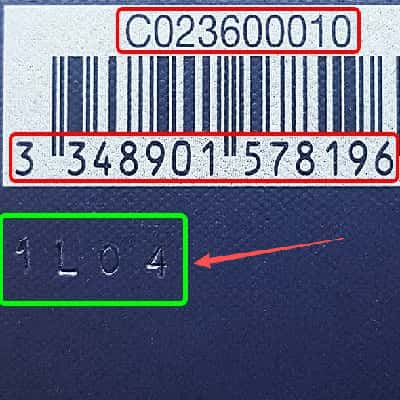
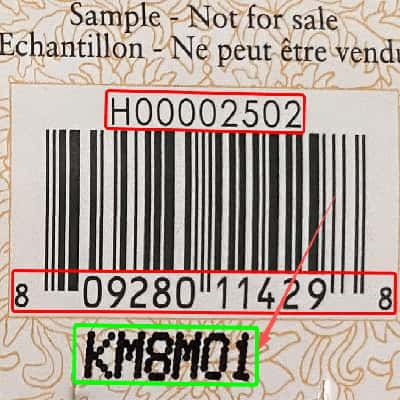
- Near the barcode on the outer carton
- On the back or underside of makeup compacts
- On skincare jars and bottles, often embossed or printed
Look for a short code of three to eight characters mixing letters and numbers.
What is a Batch Code?
A batch code — also called a lot number, batch number or production code — is the unique identifier printed on cosmetic and perfume products. It reveals when and where the product was manufactured.
Decoding it lets you:
- Verify freshness: know exactly when the product was made
- Check expiration: confirm the product is still safe to use
- Confirm authenticity: spot potential counterfeit products
- Shop smarter: avoid buying expired or ageing stock
Why Checking Batch Codes Matters
Expired cosmetics quietly stop working, and sometimes cause harm:
- Reduced effectiveness: active ingredients degrade, so expensive skincare delivers less than it should
- Bacterial growth: weakened preservatives turn a product into a breeding ground for bacteria
- Skin irritation: chemical changes in ageing formulas can trigger redness, breakouts or allergic reactions
- Wasted money: you are not getting the benefit you paid for
Most unopened cosmetics have a shelf life of two to three years, and perfumes three to five years when stored properly.